top of page
Rooted in Purity
La Purísima means 'the purest.' We believe that true wellness shouldn't be complicated or synthetic. It starts with the cleanest, most vibrant elements that nature provides. Our apothecary was born from a desire to return to traditional, time-tested herbal practices—bringing the grounding, restorative power of plants directly into modern daily routines.
Intentional, Small-Batch Sourcing
We don't believe in mass production. Every herb, root, and botanical we use is mindfully selected from trusted, certified organic distributors and sustainable micro-farms. By focusing on small-batch formulation, we ensure that every tincture, salve, and herbal blend retains its natural potency, integrity, and reverence for the earth.
The Heart Behind the Apothecary
As a student of the natural world, I wanted to create an apothecary that honors both traditional herbal wisdom and modern safety standards. La Purísima is a labor of love, crafted for those who want to know exactly what goes onto and into their bodies. We are currently sourcing our launch ingredients and perfecting our recipes. Thank you for stepping into our circle.
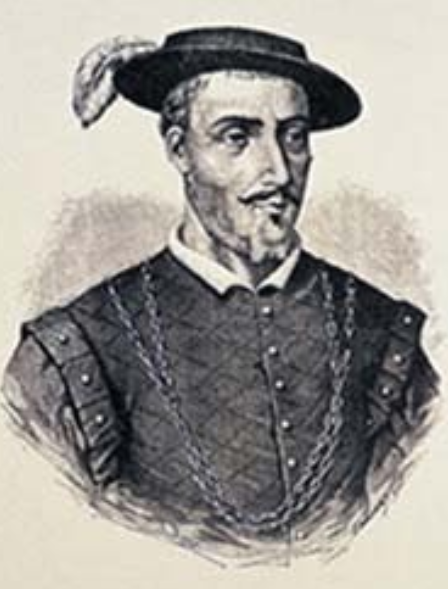
In 1570, the Spanish physician and naturalist Francisco Hernández de Toledo embarked on a monumental seven-year scientific expedition to the New World to collect and study the medicinal herbs and flora of Mesoamerica. Holding a prestigious Doctor of Medicine degree from the University of Alcalá de Henares, Hernández had begun his advanced medical and botanical studies during the Renaissance revival of empirical science, ultimately finishing his formal schooling around the late 1530s to early 1540s. While historical archives do not document the exact age he first developed a passion for botany as a young man, his fascination with herbs was deeply cultivated during his early medical career and his time managing the botanical gardens at the Hospital of Guadalupe in the 1550s. Regarding the iconic flowers associated with his legacy, Hernández is celebrated both for writing the very first Western scientific description of the vanilla orchid (tlilxochitl) and for documenting a spotted orchid that he famously termed the "Lynx flower" (Stanhopea hernandezii), a pioneering description that was later preserved and published by the Roman Academy of the Lincei (the Academy of the Lynx).
bottom of page